The war has escalated, but Iran says it will not attack other countries in the region
The war began with the death of Ayatollah Ali Khamenei and continues with the attacks and counter-attacks of both, while Trump has called on the Islamic Republic to "surrender unconditionally."


It is a week since the United States and Israel began their attacks on Iran. In those seven days, the conflict has spread to 16 countries, 1,200 people have died in the Islamic Republic alone, and hundreds in Lebanon, where Israel has revived its offensive against the Shia militia Hezbollah.
Operation Epic Furybegan with the murder of Ayatollah Ali Khamenei, and more than 3,600 civilian buildings have already been hit by attacks by Israel and the United States.
Iran not only responded with attacks on Israel, but also by firing missiles at US military bases in the region in Bahrain, Qatar, the United Arab Emirates and Kuwait, Saudi Arabia, Turkey and Azerbaijan.
These are the most important moments of the war which has lasted for the present week:
- 28 February: The United States and Israel bombed Iran andkilled Supreme Leader Ali Khamenei and part of the leadership of the ayatollahs' regime.
Iran fired missiles and drones at neighbouring countries andclosedthe Strait of Hormuz, an important maritime route through which about one-fifth of the world's oil and gas flows.
- 1 March: Iran decreed 40 days of mourning for the death of Khamenei and appointed a Transitional Council.
At the request of the United States, it was discovered that the United Kingdom had refused to join the offensive.
Lebanon says it has banned "all" Hizbullah military activity after attacking Israel.
Moreover, it was reported that Iran attacked the British military base at Akrotiri in Cyprus, but days later the British Government confirmed that the attack was not carried out by Iran.
French President Emmanuel Macron announced an increase in the production of nuclear warheads and a new ballistic missile submarine.
The International Atomic Energy Agency said it has no evidence that Iran had a structured plan to build an atomic bomb.
Trump received Senate support by rejecting a resolution to end the Iranian military offensive.
NATO air defences intervened by firing a missile from Iran into Turkey.

- 5 March: Spain and Italy join the defense aid that Greece and France were providing to Cyprus, while Iran's attacks spread to more countries and an Iranian drone crashed into an airport in Azerbaijan.
NATO Secretary General Mark Rutte said the organization has expressed "full" support for Trump and Netanyahu's war.
- March 6: 217 killed in the Lebanese air strike, some 800 wounded and some 300,000 displaced.
Trump said he will only accept Iran's "unconditional surrender" after the biggest bombing since the war began.
Concern about crude oil prices has increased worldwide and could reach $150 per barrel in two or three weeks if the Strait of Hormuz remains blocked.
- 7 March: Israel multiplies its attacks on Tehran on the eighth day, fires at Tehran's Mehrabad International Airport and attacks on Tel Aviv by Iran.
Iranian President Masud Pezeshkian said on Saturday that his country has decided to end its attacks on neighbouring countries unless they attack it from those territories.
You might like
Zelensky and Putin, ready to start a new peace negotiation
Yellow vests called for demonstrations on Saturday, and Macron accuses Trump of manipulating revolts
Von der Leyen blames several states and other actors for the migration crisis in Ceuta
Milei calls Sanchez a "dictator" and accuses him of promoting an "invasion" in Ceuta
Partial curfews will be imposed in several French cities due to riots
Macron holds the far left responsible for the violence and conveys his support to the police and traders
Violent protests in Italy and Albania against rising prices
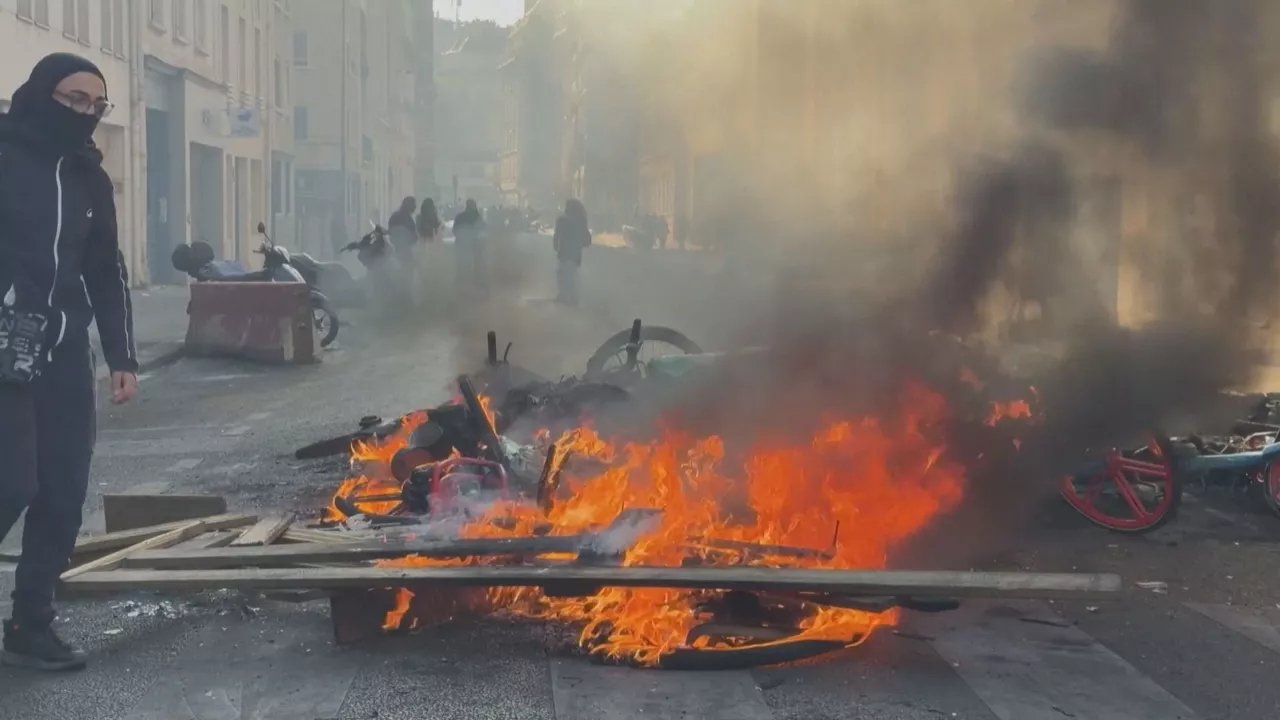
Riots erupt again in Paris the day after the protests
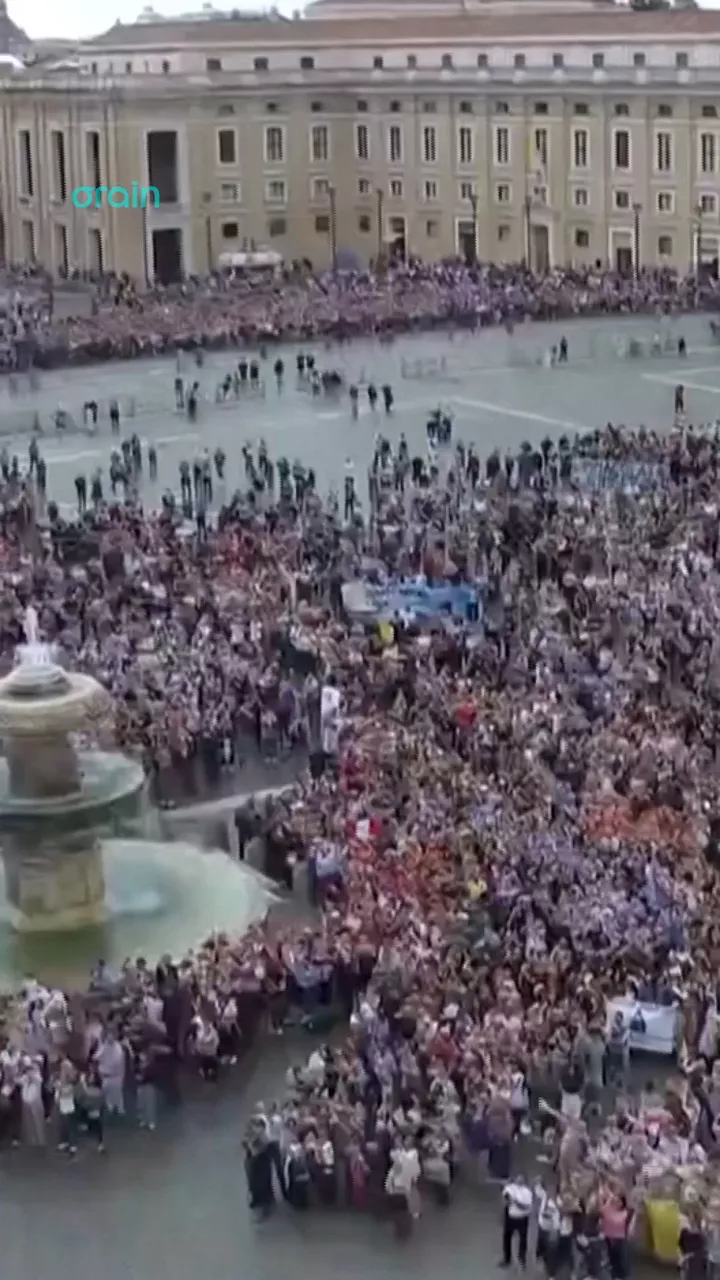
The Pope reappears in the Vatican to pray for the Angelus