Girls suffer "marginalization" in video games and many "hide their identity," according to a study by the University of Deusto
According to the study, boys prefer wrestling and sports video games, and girls consume more content related to image and dance.

A picture without copyright

Girls who play online video games are discriminated against and many of them have to hide their identity (using male avatars or neutral names) in order not to be insulted or marginalized. This is one of the main findings of the Cyber-Resistance study conducted by the University of Deusto in collaboration with the Canarian consultant Opciónate-Mejora Tu Vida.
In particular, they have investigated the existing gender gap in the digital sphere, for which they have carried out the study in thirteen schools in the Basque Country and the Canary Islands between the ages of 5 and 13.
Estibaliz Linares, a professor at the University of Deusto, has led the aforementioned study, according to which digital socialization begins almost at birth. At the age of 5 or 6, tablet or video games begin to be used; and at the age of 6-7, parents' mobile phones or smart watches.
At 8-9 years old they make a qualitative leap: they get their first mobile phone and open their first social media accounts (TikTok)
Wrestling and sports video games versus image and dance tutorials
The study concludes that boys associate their digital identity with violence and power, which is why they prefer wrestling and sports video games, while girls consume photos and videos related to beauty and image.
Researchers report that hypersexualization of children is encouraged, forcing children to comply with beauty and aesthetic canons.
You might like

Tesla has introduced the Roadster, a vehicle capable of accelerating from 0 to 100 in less than a second

Mark Zuckerberg opts for independent supervisors to study AIs, ruling out slowing down development

Tesla introduces Cybercab, a bid for autonomous robotaxi
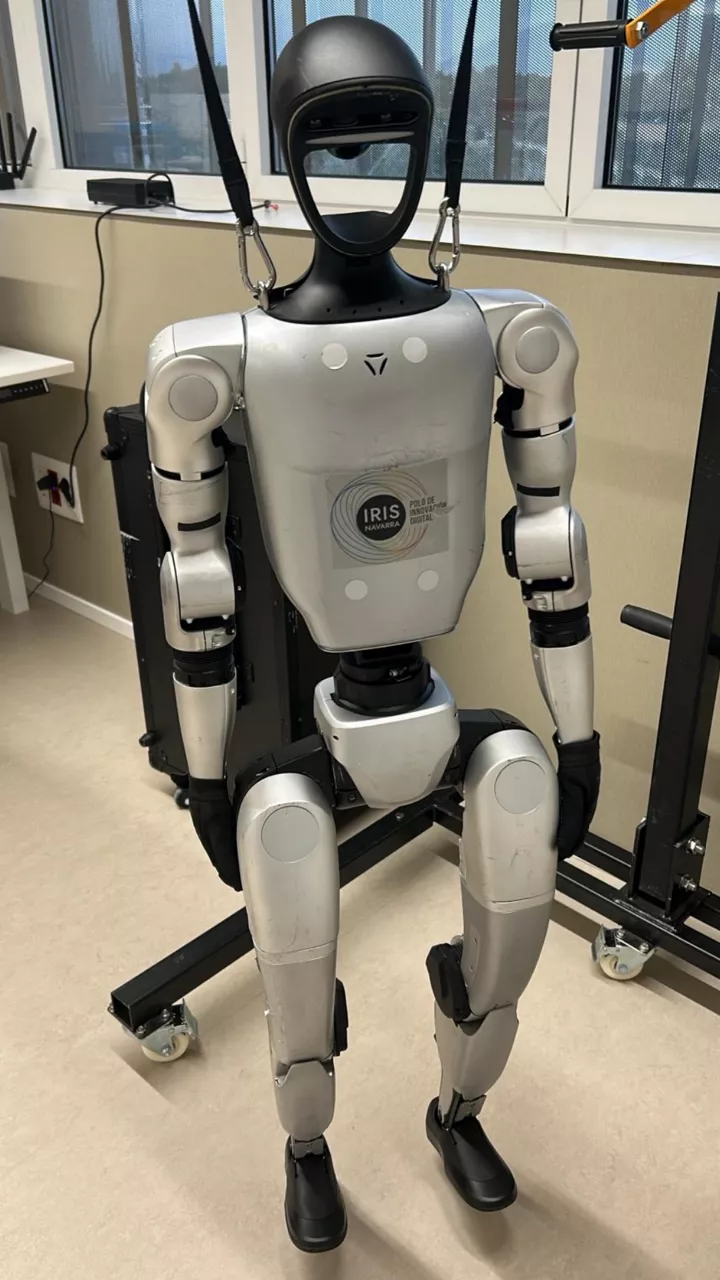
Custom robots: they have developed technology in Navarre specifically designed for the elderly

Instagram will restrict user profiles created and unidentified with artificial intelligence

The most developed robotics that will be incorporated into our daily lives has reached the international conference in China

"Bluffing Aura," a viral social media contest

Sony will maintain record production before 2028, but with manufacturing limitations

The Basque Government has made the quantum computer available to companies: "We have a long line"