Young people will have to postpone retirement to 71 years in order to maintain their standard of living
According to a study, the late entry of young people into the labour market will affect the retirement period. The ordinary retirement age by 2027 will be 67 years, and 37 years will have to be paid to receive 100% of the pension.


The late entry of young people into the labour market may force them to work until the age of 71 if they want to maintain a standard of living similar to the current one after retirement, as noted by a study published this Thursday by the BBVA Foundation and the Valencian Institute of Economic Research (IVIE).
The report stresses that the employment rate for young people aged 16 to 29 is 43.2 per cent, 15 points lower than in 2007, which means that many of them will reach 2065 with only 30 years of contributions, which is insufficient to collect the full pension. The lack of years of contributions will result in significant reductions in their pension as a result of the application of the reduction coefficients laid down in the law.
In 2027, the ordinary retirement age will be 67 years, but 100% of the pension will require a minimum contribution of 37 years, which can be advanced to two years if a contribution of 38 and a half years is credited.
In addition, the latest pension reform provides for a lower replacement rate — that is, the ratio between the initial pension and the final salary — which will fall from the current 77.1% to 75.3%. And if future reforms already under discussion in other countries, such as extending the calculation of the pension to the last 35 years of working life or requiring 40 yearsof contribution to collect the full pension, the replacement rate could be reduced to 57.6%.
Even if no new reforms are made, current young people will have to pay more and accept lower pensionsif they do not extend their working life. According to the authors, the best way to compensate for this loss would be to raise the retirement age.
You might like
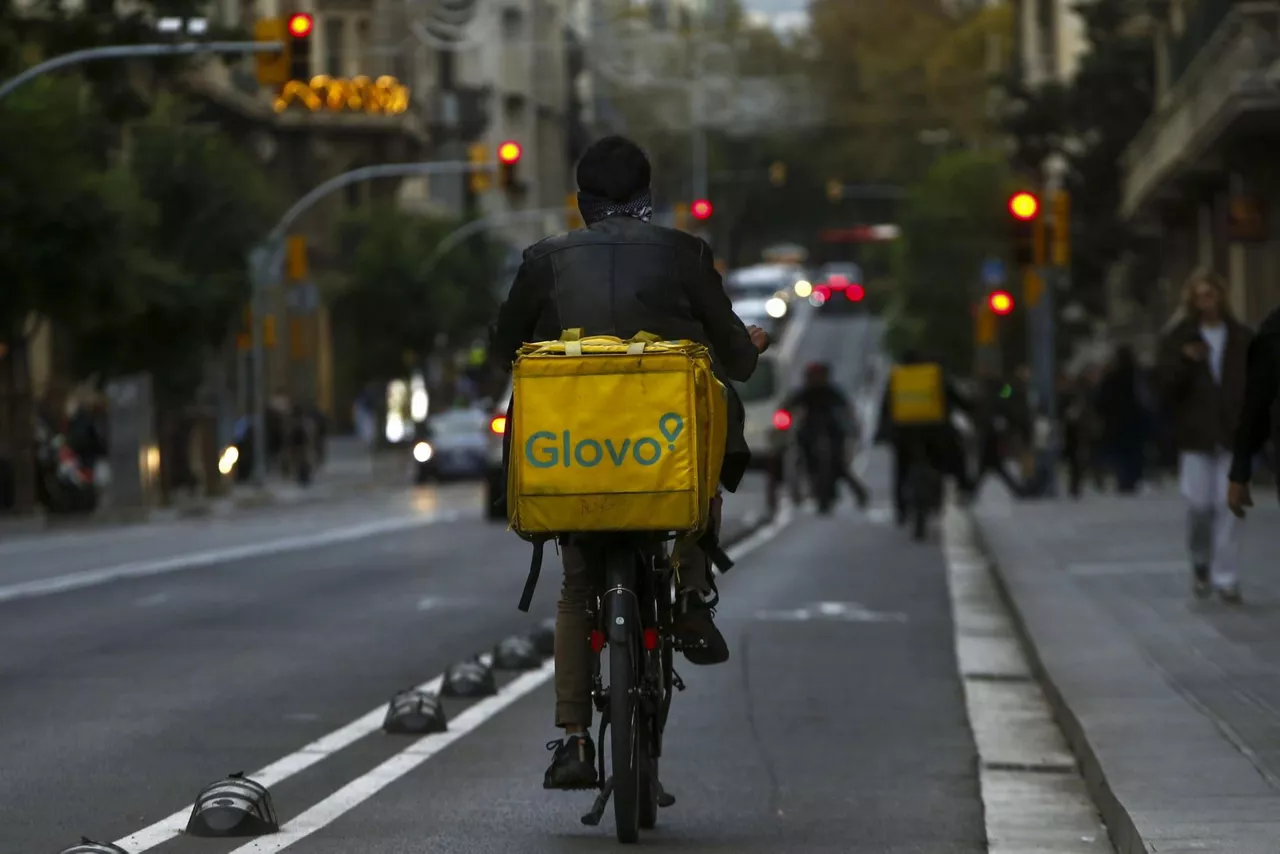
Glovo is accused of having kept the company's distributors working on the streets during the October 3 storm

The five investors interested in buying Tubos Reunion will meet with the unions next week

ELA and LAB demand "more leadership" from the government to convene employers to negotiate their own SMI

SpaceX and Tesla are considering merging to create a tech giant backed by Elon Musk

Wine unions announce mobilizations in Rioja Alavesa in search of an agreement

There will be news: the lehendakari meeting with ELA and LAB, the cold front and protests in France
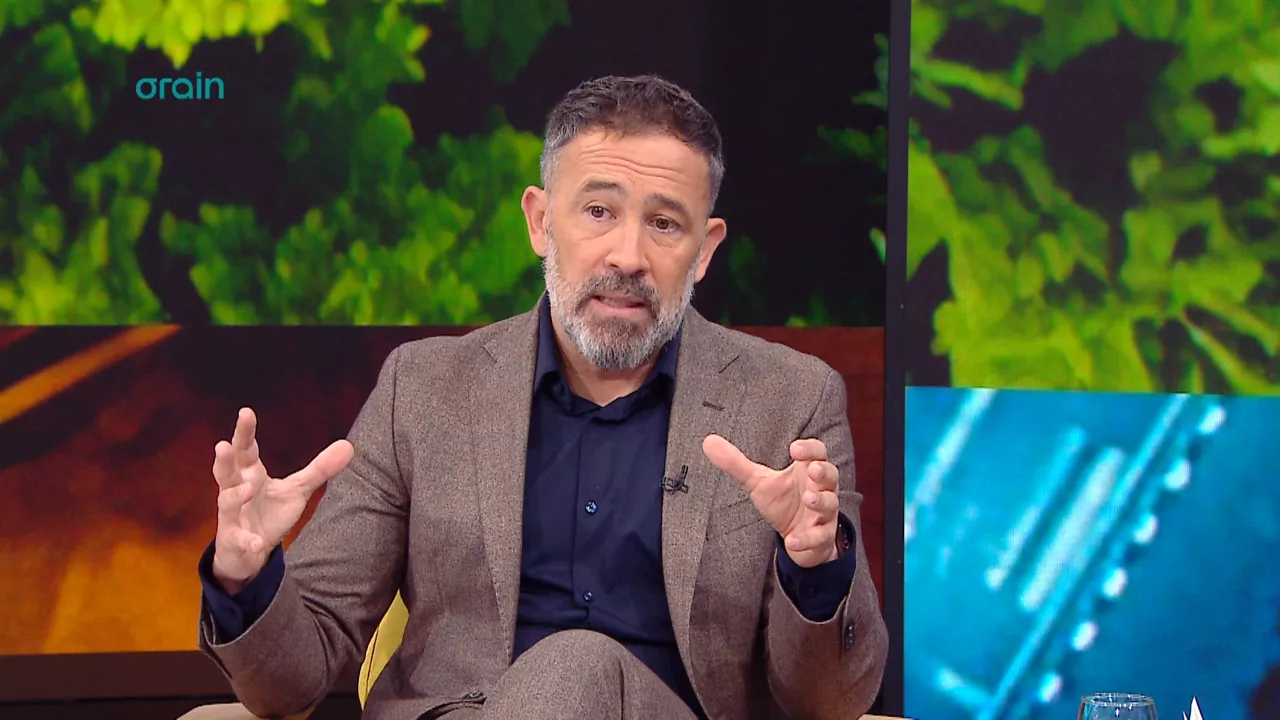
Denis Itxaso advocates new measures to rent empty homes
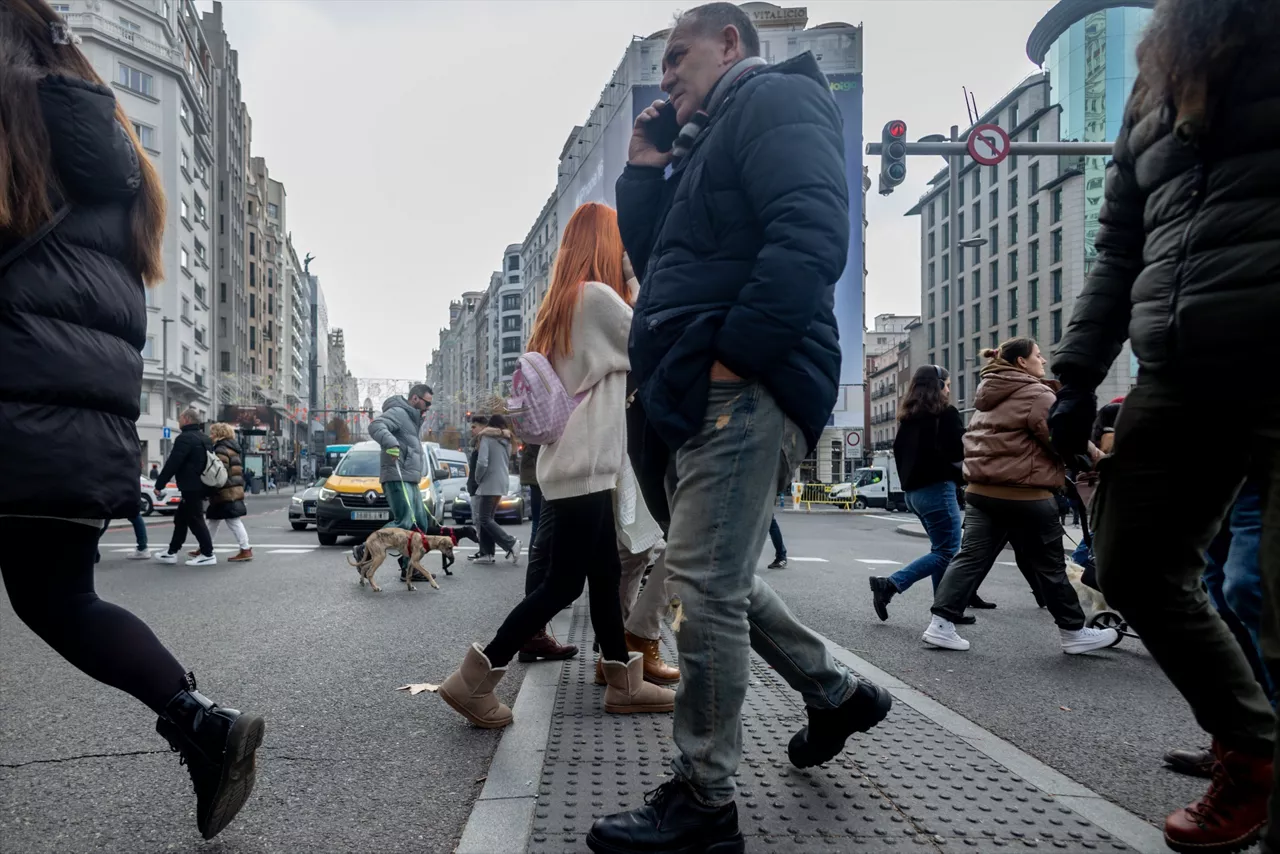
The average income in the Basque Country increased by 7.2% in 2024, to 28,170 euros

LAB's General Coordinator calls for participation in the November 11 general strike to channel citizens "demands