
Euskadi received by Garaikoetxea and today: unemployment has fallen, education and the Basque Country have improved, but society has aged
The first Basque Government after the dictatorship had to manage a very different society. In 1981, one third of the population was born outside the Basque Country, half of them over the age of 18. There were many children on the streets, under the age of 14 24% of the population, but unemployment continued to grow.

Garaikoetxea during the 1983 floods.

The hours and days following the death of Carlos Garaikoetxea are giving us the opportunity to look back at those early 80s. The testimonies have represented a dark and conflict-ridden political and social context, but also a great deal of energy and illusion to turn the situation around. Everything was to be done for that first Basque Government after Francoism.
Violence and the economic crisis hit that Euskal Herria 45 years ago hard, and you only have to compare the data then with those of today to realize the change.
Demography
From a demographic point of view, society has changed considerably, particularly in the structure of the population.
In 1981, when the Gernika Statute was adopted, the Basque Country had 2,141,809 inhabitants, whereas today it has 2,218,210, while Navarre had about 510,000 inhabitants and today it has about 690,000, so Hego Euskal Herria has since gained more than 250,000 inhabitants.
At the beginning of the 1980s, the percentage of people born abroad in the Basque Country was very low, only 1.06% compared to 14% today, although the weight of those born in other Spanish provinces was much higher than today.
Thus, if we look at the 1981 census, almost one third of the population was born in other provinces that year, 30.5%. If we look at those over the age of 18, the percentage was 50%. Today, however, the percentage of the population living in the Basque Country and born in other Spanish Autonomous Communities is around 15%, especially in the older age groups.
The society of the time, on the other hand, was much younger. 1975 and 1976 were the years of greatest birth in the history of the Basque Country. Children have never had so much weight in our contemporary history.
Thus, while children under the age of 14 accounted for 23.7 per cent of the population in 1981, they now accounted for 11.1 per cent of the population, while children under the age of 25 accounted for 39.8 per cent of society at the time, they now accounted for 21.4 per cent. At the same time, the increase in life expectancy meant that those over the age of 65 now accounted for 24.6 per cent of the population, compared to 9.2 per cent in 1981.
Economy and employment
After the 1973 oil crisis and the 1979 energy crisis, energy-intensive sectors were severely damaged, and heavy industry was on the brink of collapse.
In 1981, the unemployment rate was around 14 per cent, exceeding the 20 per cent threshold in a few years. The difference from the current situation is that the unemployment rate is below 7 per cent. Another significant fact is that in 1985 the employment rate (the percentage of employed persons) was 45 per cent, compared to 72 per cent today.
The first Basque Government's commitment to economic diversification, together with plans for industrial restructuring, was decisive in reversing the situation, but for years unemployment would be one of the main problems.
Education and Euskera
If we look at the indicators relating to the level of education and training, the difference is enormous. According to the 1981 census, only 8% of the population over the age of 10 had higher or middle education, while today more than 51% of the Basque population between the ages of 16 and 64 have higher education, which is the highest rate in the State and is above the European average.
The 1981 census also shows that 72.6 per cent of the population over the age of 10 had no education or only had primary education.
With regard to the knowledge of the Basque language, the physicist Pedro Miguel Etxenike, Counsellor for Education and Culture of the Government of Garaikoetxea and father of the 1982 Euskera Act, has recalled the "agony" of the situation of the Basque Country at that time, the result of the four decades of dictatorship and the socio-demographic movements to be managed without political power, which confirm the data.
In 1981, only 21.9 per cent of the Basque population and older generations were Euskaldunes. Among those over 65 years of age, the percentage reached 33 per cent, while among children and young people the knowledge of the Basque language did not reach 20 per cent, but the first language of most of them was Basque.
Today, according to the latest censuses, 43% of the inhabitants of the Basque Country are Vasco-Speakers. Unlike Garaikoetxea and his group when they arrived in Ajuria Enea, the younger generations are the Euskaldunes: about 85% of children and 75% of young people know Basque, although half of them have learned it as a second language.
On the other hand, unlike 1981, there are fewer Vasco-Speakers among the elderly: only about 20% of those over 65 speak Basque.
With regard to the social use of the Basque language, the oldest data are from both 1989 and 1991, but there is a clear increase in the use of the Basque language among the younger generations. According to the Sociolinguistic Survey of the Basque Country, 12.4% of young people aged 16 to 24 years and over used the Basque Country in a dense manner — as much or more than Spanish — four decades ago in the Basque Country, compared to 33.5% in the last survey.
Elections
With regard to political tendencies, the 1984 elections to the Basque Parliament, the first to form a Parliament with 75 seats, showed a different political context from the current one.
The PNV, with Carlos Garaikoetxea as its candidate, won 32 seats. It has been the largest jeltzale representation in history, although it would break down two years later with the creation of Eusko Alkartasuna. The PSE, led by Txiki Benegas, won 19 seats; Herri Batasuna, 11; Coalición Popular (AP, PDP and UL).
Compared to the current Basque Parliament, the only trend - or almost the same - is the strength of the PNV, while EH Bildu has significantly increased the social base of the space represented by Herri Batasuna and consolidated, while the other political forces have lost weight.
You might like
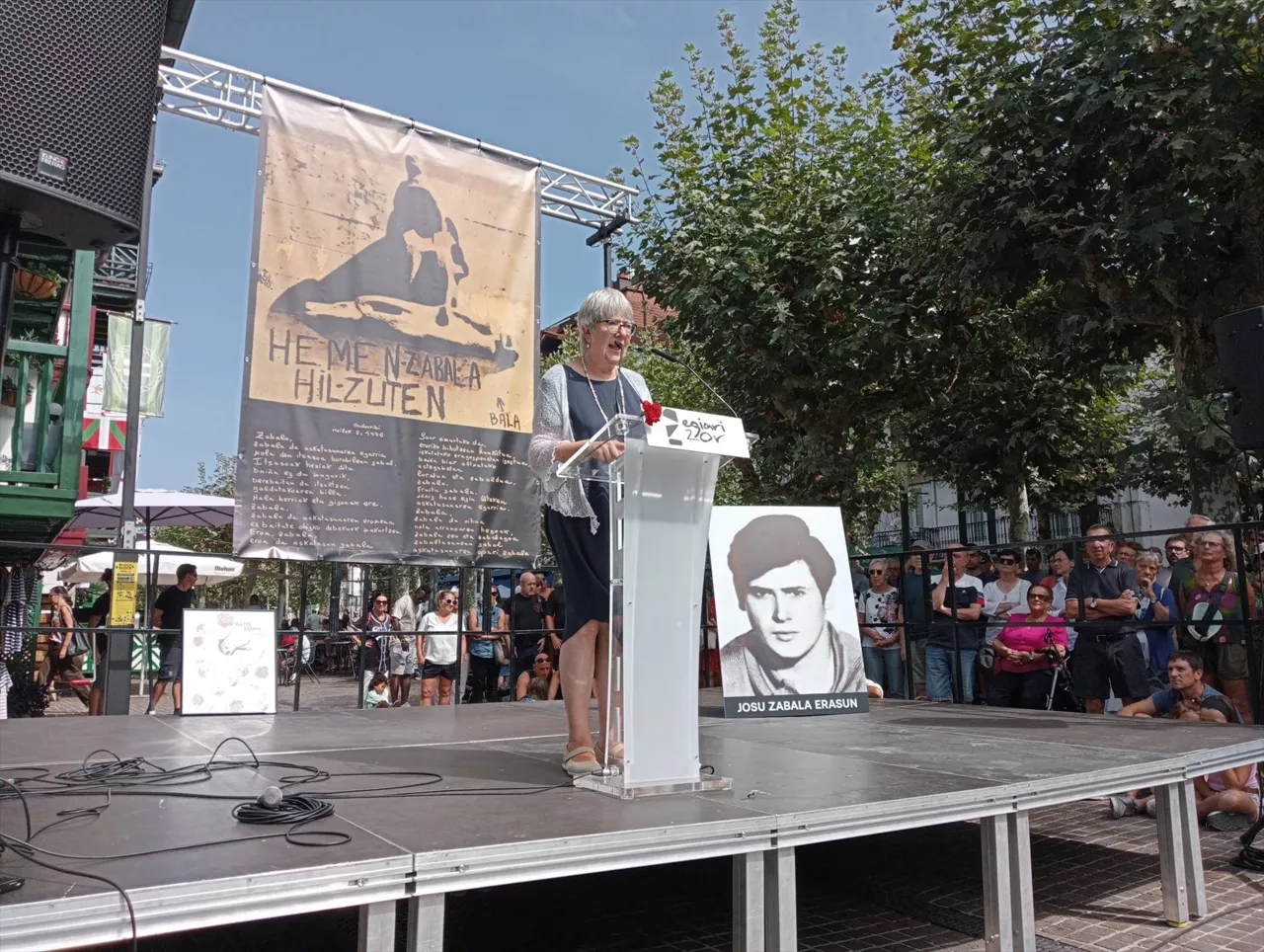
Josu Zabala Erasun was remembered in Hondarribia on the 50th anniversary of his death
Josu Zabala Erasun was shot dead by the Civil Guard in 1976 during a demonstration against the kidnapping of ETA member Eduardo Moreno Bergaretxe, 'Pertur'.
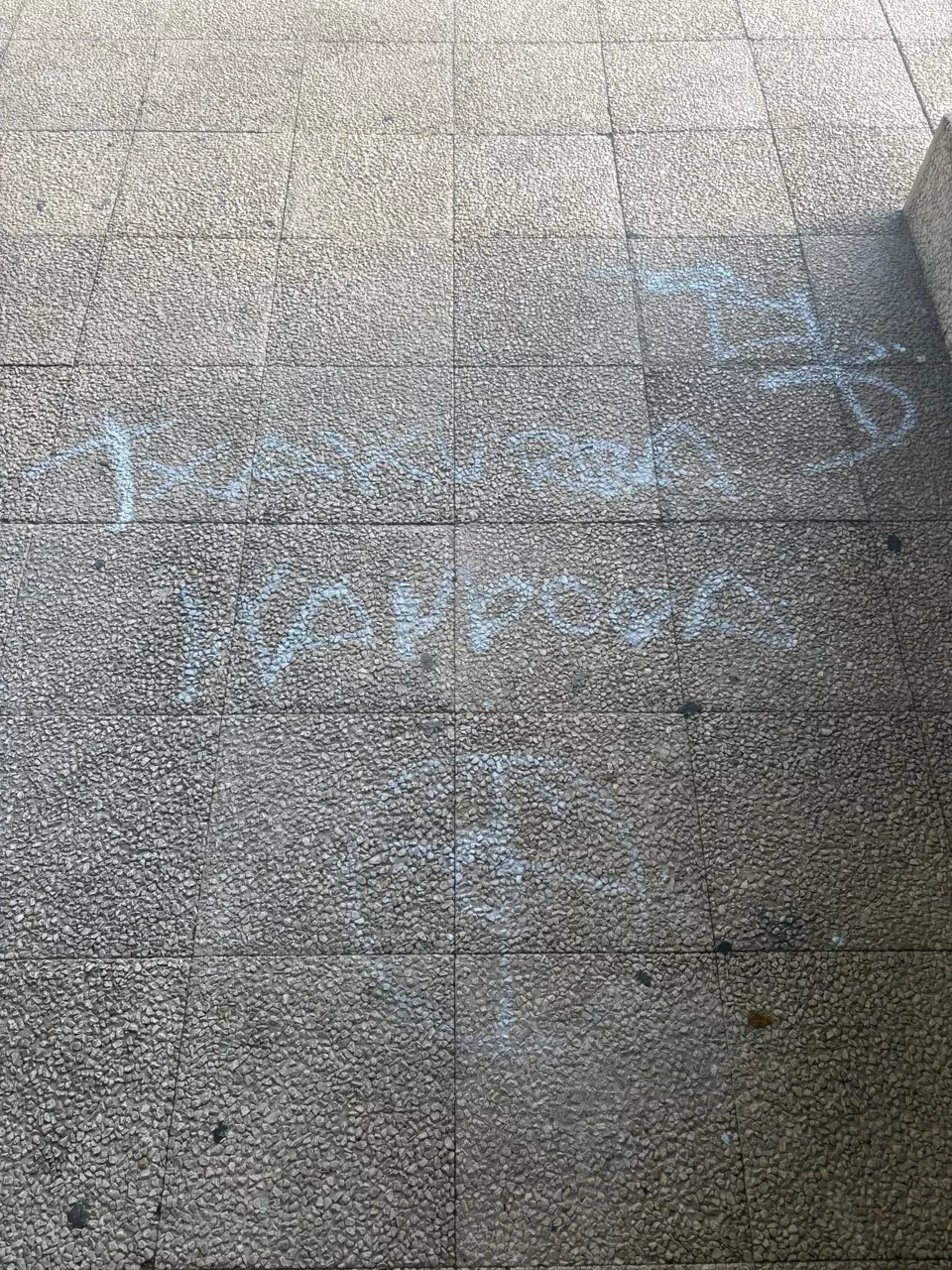
A painting against an ertzaina appears near his home in Vitoria-Gasteiz
The Department of Safety and Security has condemned "the threats and threats to the police, which recall past times and attack not only the said officer and the Ertzaintza, but also the foundations of democracy and coexistence".
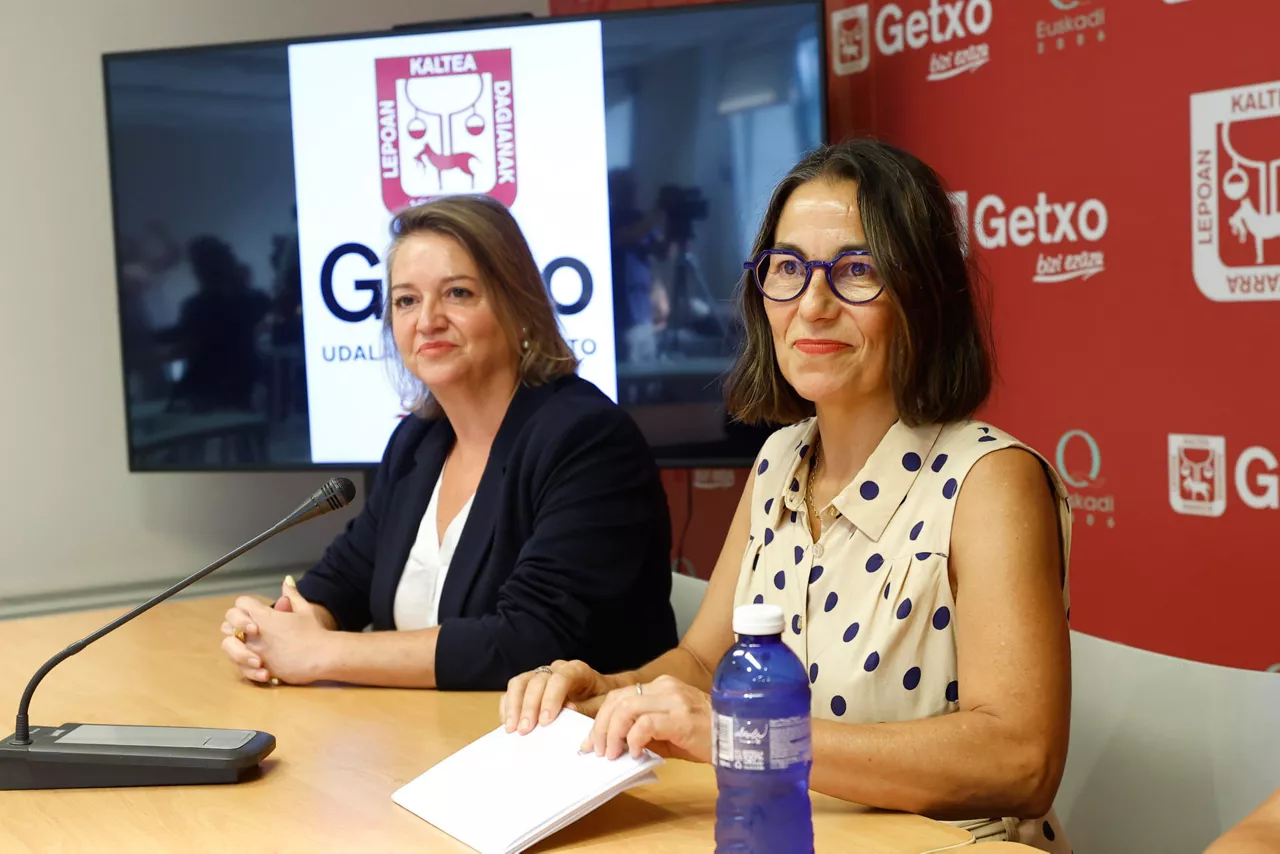
Agirre has called for a "public repair" of Irura's Bat Palace on the grounds that "progress" is not enough
According to the mayor, for months the debate has gone beyond the legal issue, with very serious accusations being made against the people affected and against the PNV, so he has clearly said that it is not enough to leave what happened behind.
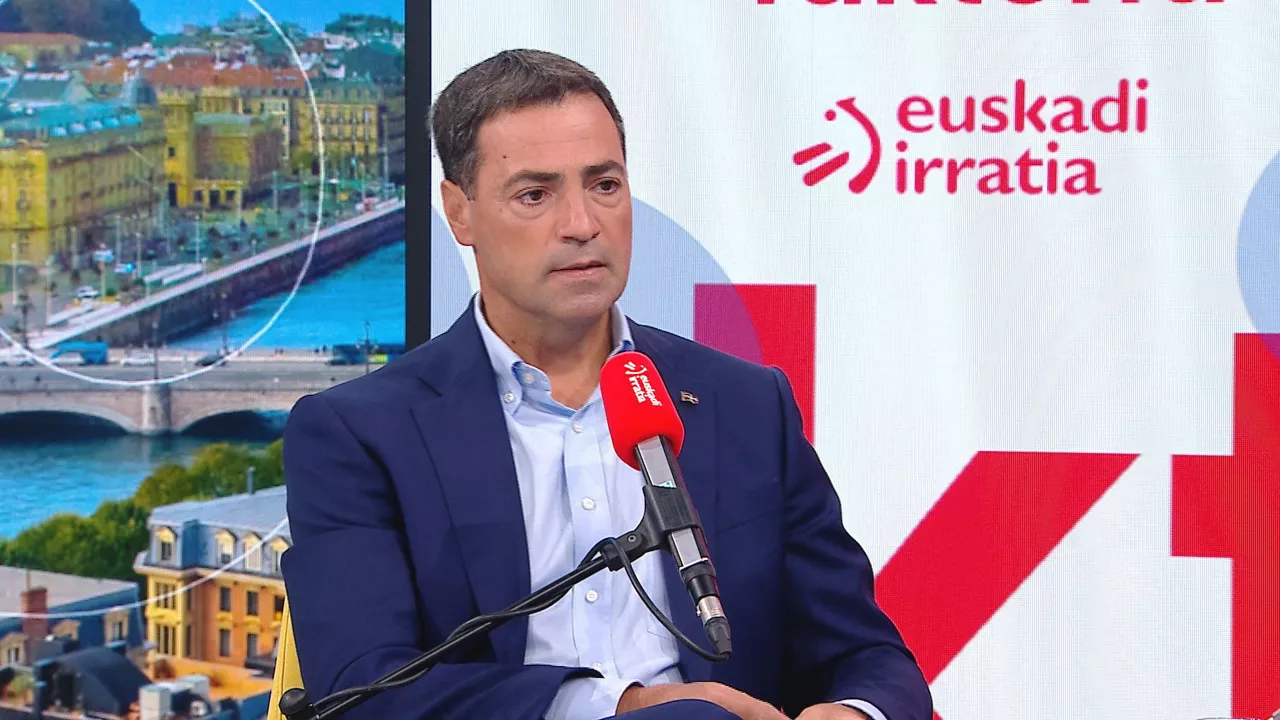
The President has assured us that there is no organized crime in the Basque Country today
Interviewed in the Faktoria programme of Euskadi Irratia, the President of the Basque Government, Imanol Pradales, has pointed out that the murders of recent years are mainly related to the deterioration of personal relations caused by drugs, addictions or gender-based violence, and has stressed that there is currently no organized crime in the Basque Country.
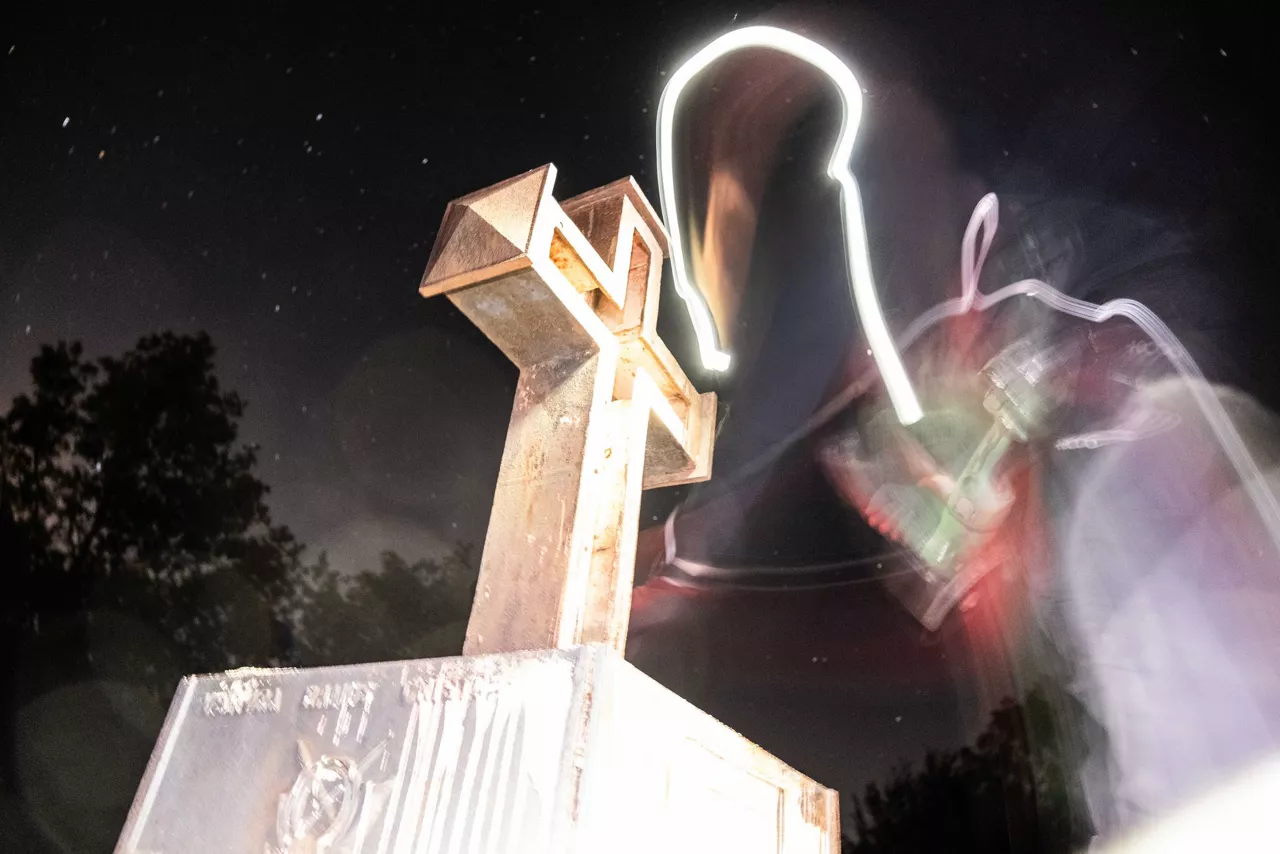
Ernai launches the Francoist cross of Mount Isuskitza
Ernai has shot down and videotaped the 1940 cross on Mount Isuskitza (Álava) in memory of the Franco requetés. The youth organization has claimed that fascism has no place in our country and has called for participation in the demonstration that will take place on 13 September in San Sebastian.

Nora Abete (PSE-EE) presents her candidacy for mayor of Bilbao
The current deputy mayor of the Bilbao City Council and spokesperson for the PSE-EE has explained that his candidacy stems from "proximity, listening and decision-making."
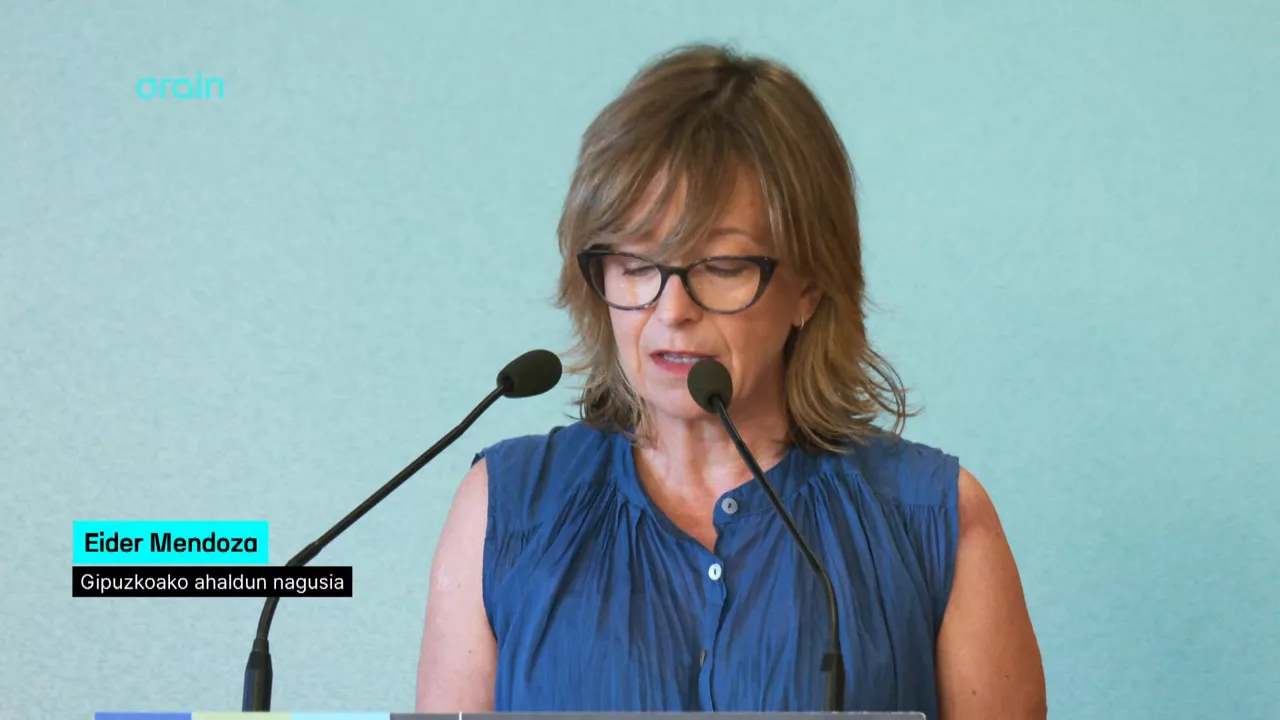
Gipuzkoa's Provincial Council will begin negotiating fiscal budgetary measures next week
Gipuzkoa MP Eider Mendoza has advanced her intention to start a round of talks with opposition groups to begin negotiations on the territory's budgets and some fiscal measures.
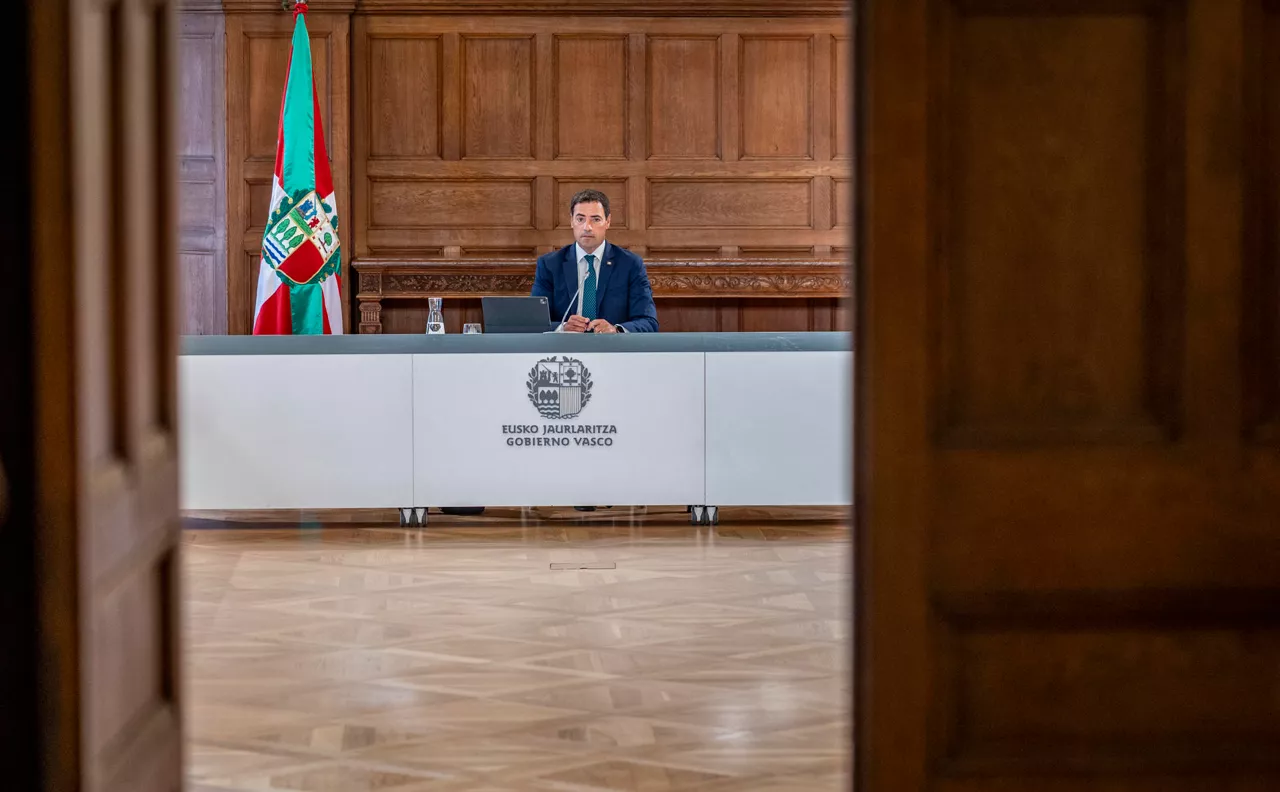
The President shall propose economic, self-government and housing agreements in his round of meetings with the parties and social partners
The meetings will take place from 8 to 15 September with the aim of strengthening dialogue and fostering partnerships in a context marked by international uncertainty and the electoral cycle of 2027.
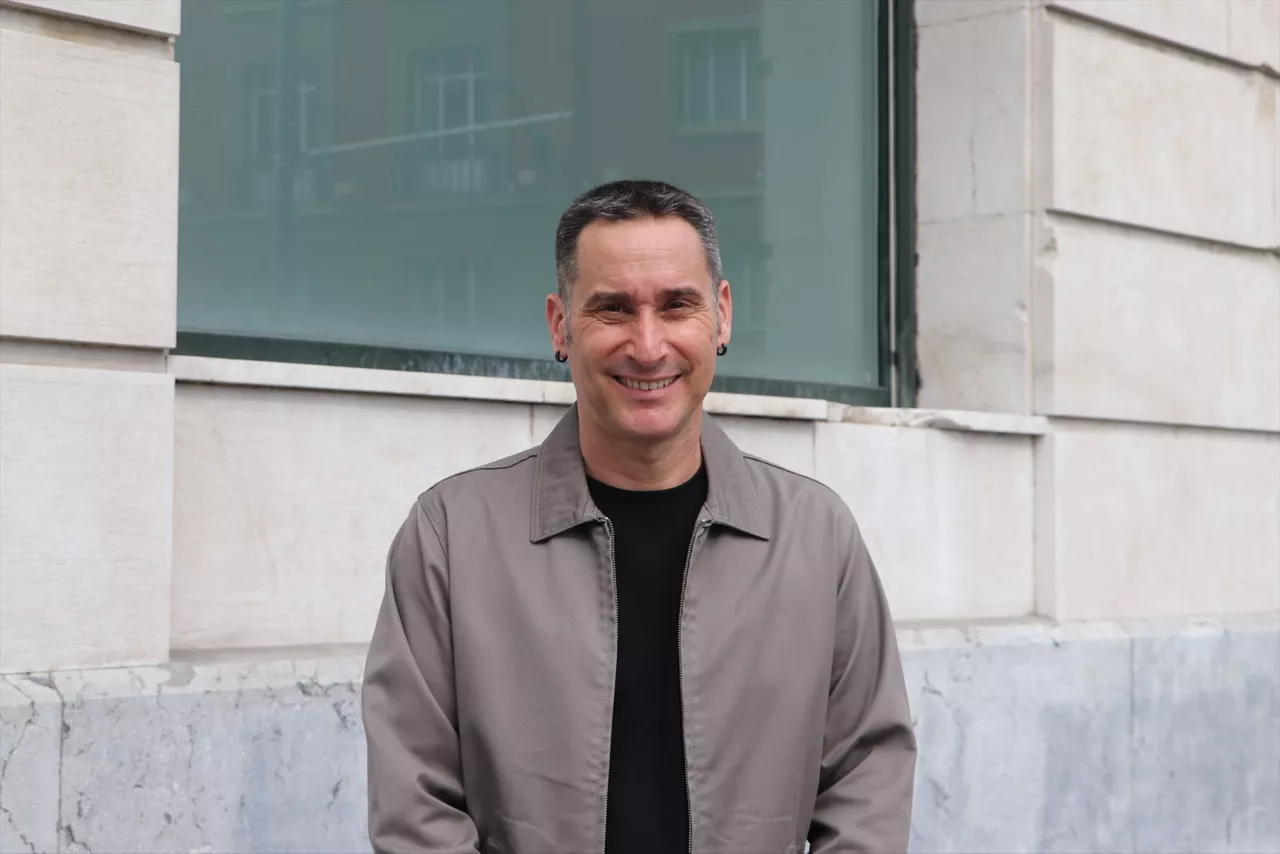
Iker Casanova will again be EH Bildu's candidate for Bizkaia's MP
EH Bildu's Bizkaia Political Bureau believes that baracaldés is the right person to represent the project of left-wing sovereignty.
Zupiria believes that there is no political tint in the recent incidents between young people and the Ertzaintza
The Security Adviser of the Basque Government, Bingen Zupiria, has linked the incidents to young men, the consumption of alcohol and other substances and the "disinhibition" of night leisure. Asked about Ceuta, he regretted that Morocco was not asked to "assume its responsibility".