Iran's conflict is hitting hard with construction and non-metallic industry
According to the report presented by Adegi, the impact on construction is particularly high: 78% of companies in the sector report a high or very high impact of the conflict on their activity.

A housing block in San Sebastian under construction: Photo: EFE

The conflict in Iran and, in general, the instability of the international geopolitical context have caused great concern among companies, according to a study by the Guipuzcoana business association Adegi, 29.6% of companies believe that the situation has a high or very high impact on their activity, while another 41.5% say that the impact is moderate.
However, the impact is not the same in all sectors, with construction being one of the worst hit: 78% of companies in this sector report a high or very high impact of the conflict on their activity.
Non-metallic industry, particularly hit.
In the industrial sector, 34% of companies highlight the high incidence, while in some subsectors the data are even more serious, such as the non-metallic industry, where 75% of companies say that they have been severely affected by the situation.
The service sector, for its part, has shown greater resilience: only 15.5% of companies report a high or very high impact.
According to Adegi's report, the war affects the activity of companies through four main factors: firstly, the increase in the cost of raw materials and supplies, which affects 60.5% of companies, and the impact on construction, which affects all companies.
Secondly, marketuncertainty affects 44% of companies, and thirdly, rising energy costs affect 39.5%.
The fourth major factor is demand : 34.5% of companies have already noticed a decline or change in customer demand.
In addition to direct costs, there are other consequences: 24% of companies have supply problems; 19% mention difficulties related to international transport; and 18% have had to postpone or cancel investment projects; to a lesser extent, they also highlight increased financing costs and financial instability.
You might like
Glovo is accused of having kept the company's distributors working on the streets during the October 3 storm
The five investors interested in buying Tubos Reunion will meet with the unions next week

ELA and LAB demand "more leadership" from the government to convene employers to negotiate their own SMI

SpaceX and Tesla are considering merging to create a tech giant backed by Elon Musk
Wine unions announce mobilizations in Rioja Alavesa in search of an agreement
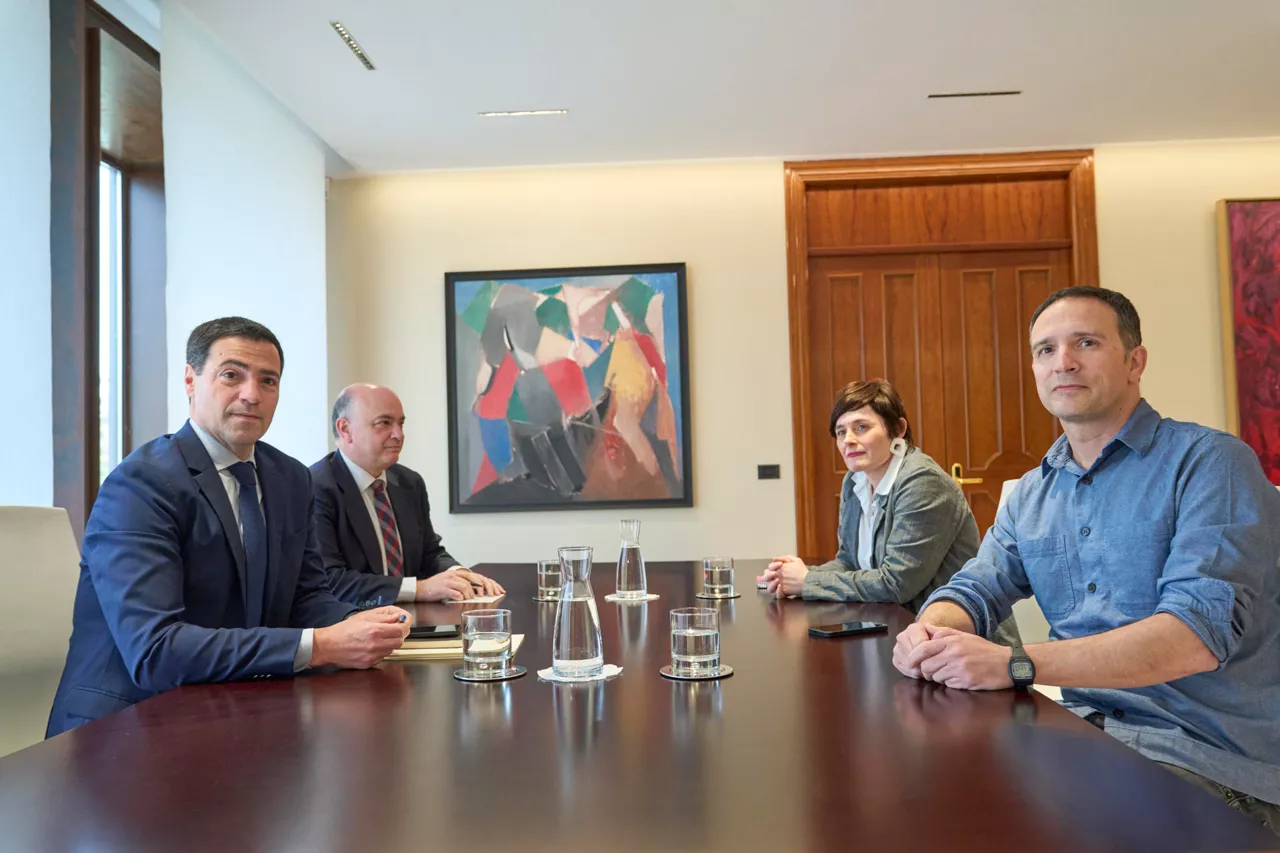
There will be news: the lehendakari meeting with ELA and LAB, the cold front and protests in France
Denis Itxaso advocates new measures to rent empty homes

The average income in the Basque Country increased by 7.2% in 2024, to 28,170 euros

LAB's General Coordinator calls for participation in the November 11 general strike to channel citizens "demands