The CPI's year-on-year rate fell to 3.2% in April, despite rising fuel, driven by the fall in electricity
It is the fuels that continue to exert the greatest upward pressure, a sign that the shock caused by the war in Iran continues. However, this effect has been somewhat mitigated by the fall in the price of electricity and the fiscal measures adopted by the Spanish Government.


The Consumer Price Index (CPI) fell two-tenths in April at its year-on-year rateand stood at 3.2%, according to data advanced this Wednesday by the National Institute of Statistics (INE). Lower electricity costs offset the rise in fuels caused by the Middle East conflict.
In particular, the statistical agency explains that the moderation of inflation has been influenced by the fall in electricity prices, which have fallen more than in April 2025, and by the evolution of the prices of tourist packages, which have risen but have fallen less than in the same month of the previous year.
On the other hand, the prices of fuel and lubricants for personal vehicles have pushed inflation upwards, rising in April, while in April last year they fell.
It is the fuels that continue to exert the greatest upward pressure, a sign that the shock caused by the war in Iran continues. However, this effect has been somewhat mitigated by the fall in the price of electricity and the fiscal measures adopted by the Spanish Government.
The INE has introduced an estimate of underlying inflationestimated to exclude unprepared food and energy products into the advance of CPI data, which fell by a tenth in April to 2.8%.
Since March the CPI has risen 0.4%, slowing by eight tenths the increase in March (1.2%). With April there have been increases in the CPI for three consecutive months.
On the other hand, the harmonised CPI has risen by a tenth since April last year, to 3.5% and 0.7% since March. According to statistics, inflation below the harmonised CPI is 3.1% in the fourth month of the year.
The INE will publish the final April CPI data on May 14.
You might like

The five investors interested in buying Tubos Reunion will meet with the unions next week

ELA and LAB demand "more leadership" from the government to convene employers to negotiate their own SMI

SpaceX and Tesla are considering merging to create a tech giant backed by Elon Musk

Wine unions announce mobilizations in Rioja Alavesa in search of an agreement

There will be news: the lehendakari meeting with ELA and LAB, the cold front and protests in France

Denis Itxaso advocates new measures to rent empty homes

The average income in the Basque Country increased by 7.2% in 2024, to 28,170 euros

LAB's General Coordinator calls for participation in the November 11 general strike to channel citizens "demands
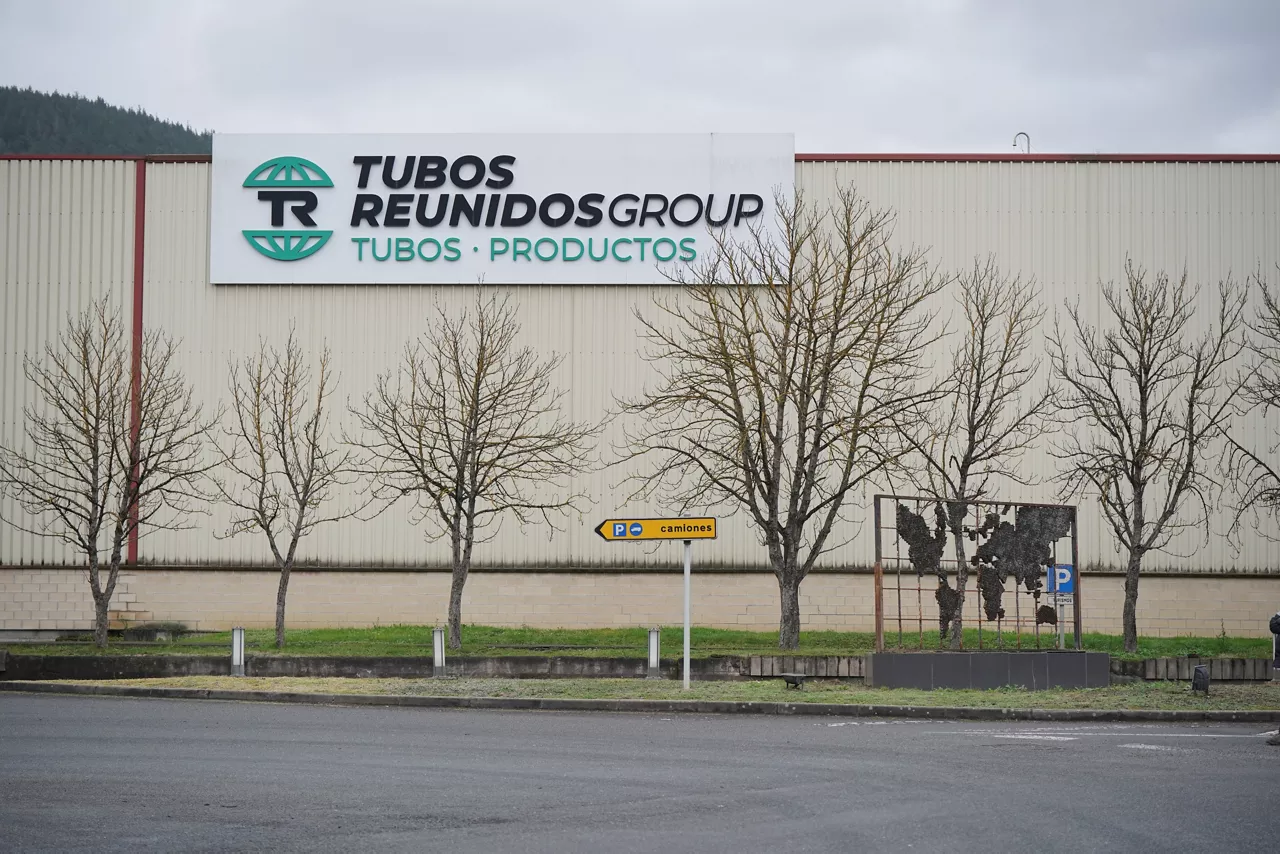
The top five offers from Tubos Reunion propose reducing staff and changing working conditions