
Reasons for the TC's support for amnesty: the independence process in Catalonia was a "paradigmatic case of political crisis"
The Constitution has unsurprisingly rejected the appeal lodged by the PP, but the resolution contains some new developments, including strengthening the argument justifying the amnesty.

Candide Conde Pumpido and Immaculada Montalbán, president and vice president of the Constitutional Court, respectively.

The Constitutional Court today approved the ruling grantingprotectiontotheAmnesty Act , which introduces a deeper analysis of the arguments contained in the draft judgment to conclude that the law "is not a whim". In this regard, the majority of constitutional judges consider the independence process in Catalonia to be a "paradigmatic case of political-constitutional crisis".
The plenary has unsurprisingly dismissed the constitutional complaint filed by the PP and has accepted almost without change the report drafted by the Vice-President of the Constitutional Court, Immaculate Montalbán. The President of the Court, Candide Conde-Pumpido, described the report as "excellent" at the beginning of the deliberations.
However, the resolution contains a number of new developments, including the consolidation of the reasoning justifying the amnesty of the independence process in Catalonia, in contrast to the PP's arguments that it seeks to achieve a "hidden objective" of "paying for a political agreement that has nothing to do with any purpose of general interest and is only intended to facilitate the investiture of the candidate for the Presidency of the Government".
He doesn't want to value political motivations.
The 205 page ruling recognizes that the Constitutional Court is aware of "the special circumstances in which the amnesty law was passed" and that there is an "express connection" between the adoption of the law and the "investiture of a candidate for the Presidency of the Government".
In this regard, he has stated that "it is clear that every law is, after all, the result of treaties that can serve the immediate means and objectives of political negotiation and agreement".
"This Court neither protects nor condemns such conduct, since it is not its function. It is responsible for examining the law and determining, on the basis of its content, whether there is a legitimate purpose and justification in the general interest."
In this regard, he has made it clear that "an exercise in political realism cannot be expected from this court to investigate and assess underlying political facts which would ultimately explain the intentions of the Members who voted in favour of the law." "The will of the legislator cannot be confused with that of each Member of Parliament," he has stressed.
Auzitegi Konstituzionala
The will of the legislator cannot be confused with that of every parliamentarian.
"It is not under our control to investigate and assess the underlying political facts that may explain the intentions of parliamentarians who voted in favour of the amnesty law," the report says.
It therefore refuses to assess political motivations and makes its analysis "in order to verify whether this decision responds to exceptional circumstances which the legal system cannot resolve with ordinary instruments".

Exceptional situation
To carry out this analysis, the amnesty has been based on the preamble to the law, stating that "the exceptional situation recognized by organic law is to increase the Catalan secessionist process".
It stresses that "the holding of the second referendum in October 2017 and the proclamation of Catalonia's independence led to the implementation of the measures provided for in Article 155 of the Constitution — for the first time during its validity — and that the State assumed the functions of government in the Community".
According to the judgement, "the events experienced during this period constitute the paradigm of the political-constitutional crisis in which the primacy of the Constitution and the unity of the State, in addition to the integrity of the political subject of sovereignty, the Spanish people, the form of State and Government, were compromised".
The organization reiterates that "as a result of these acts, criminal proceedings were instituted and sanctions imposed to hold accountable those who committed unlawful acts, some of which are still being prosecuted and pending a decision by the courts".
To this must be added that "this constitutional crisis caused a profound social breakdown in Catalonia, affecting the coexistence of citizens, creating extremist antagonisms, dividing society and ultimately compromising the political stability of Catalonia and Spain".
You might like
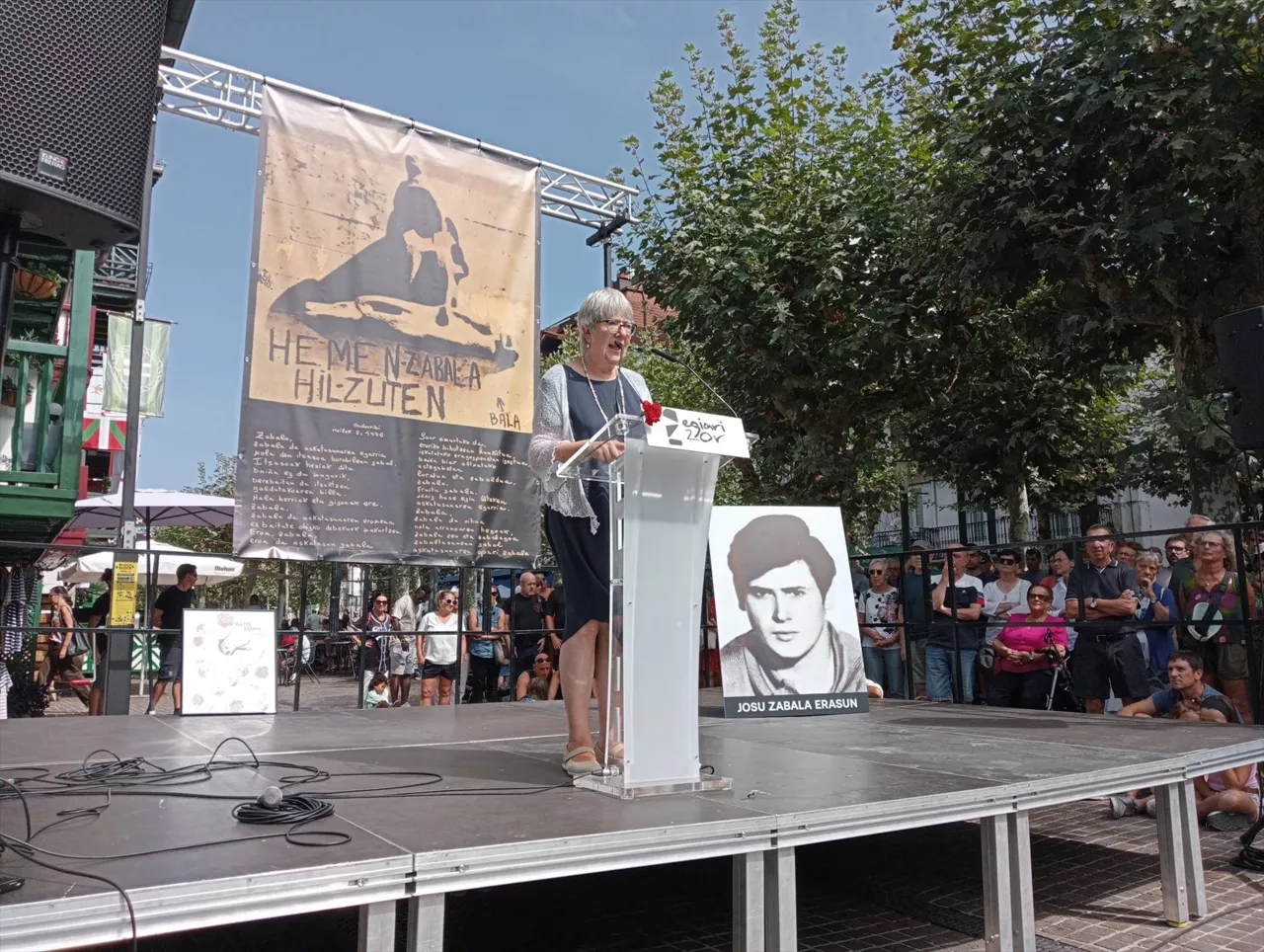
Josu Zabala Erasun was remembered in Hondarribia on the 50th anniversary of his death
Josu Zabala Erasun was shot dead by the Civil Guard in 1976 during a demonstration against the kidnapping of ETA member Eduardo Moreno Bergaretxe, 'Pertur'.
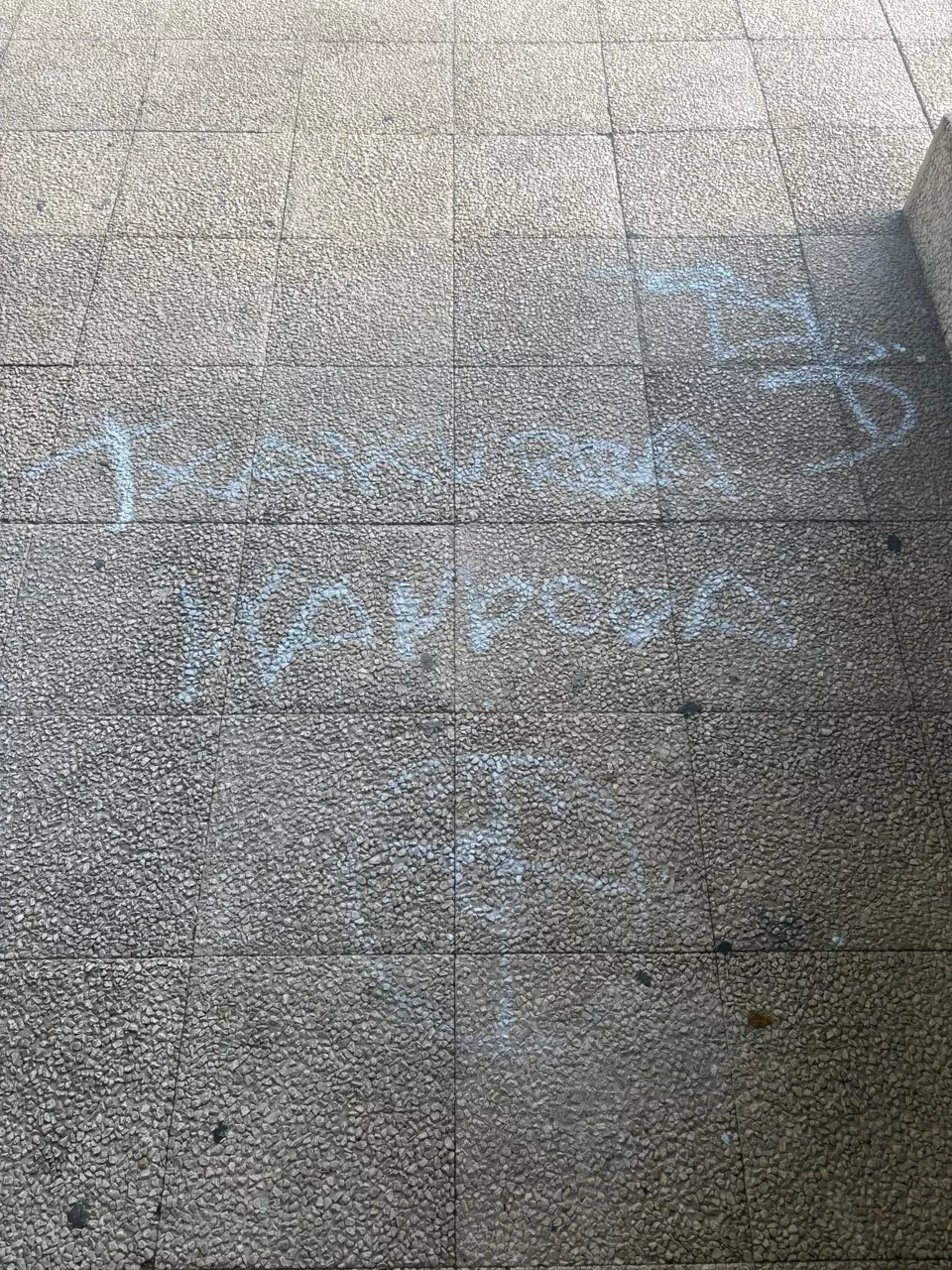
A painting against an ertzaina appears near his home in Vitoria-Gasteiz
The Department of Safety and Security has condemned "the threats and threats to the police, which recall past times and attack not only the said officer and the Ertzaintza, but also the foundations of democracy and coexistence".
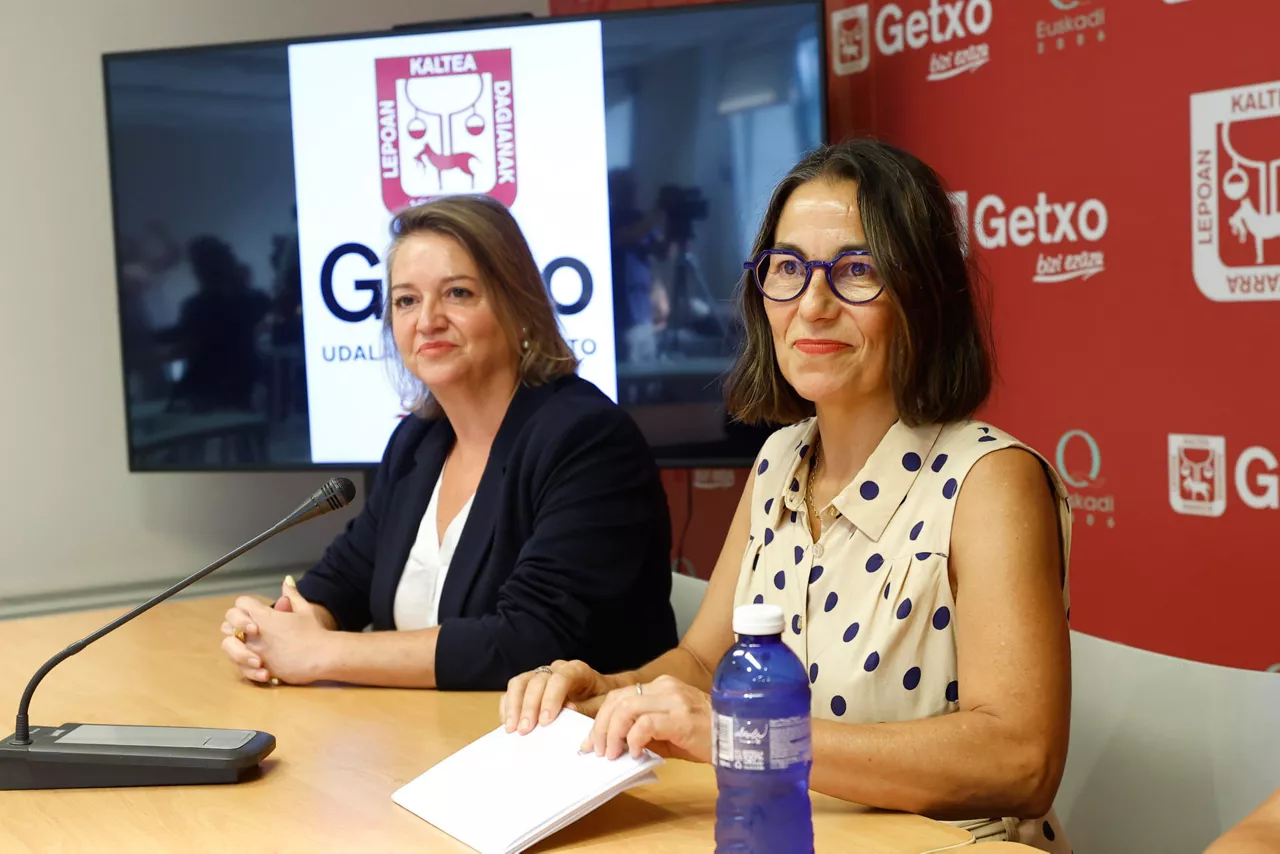
Agirre has called for a "public repair" of Irura's Bat Palace on the grounds that "progress" is not enough
According to the mayor, for months the debate has gone beyond the legal issue, with very serious accusations being made against the people affected and against the PNV, so he has clearly said that it is not enough to leave what happened behind.
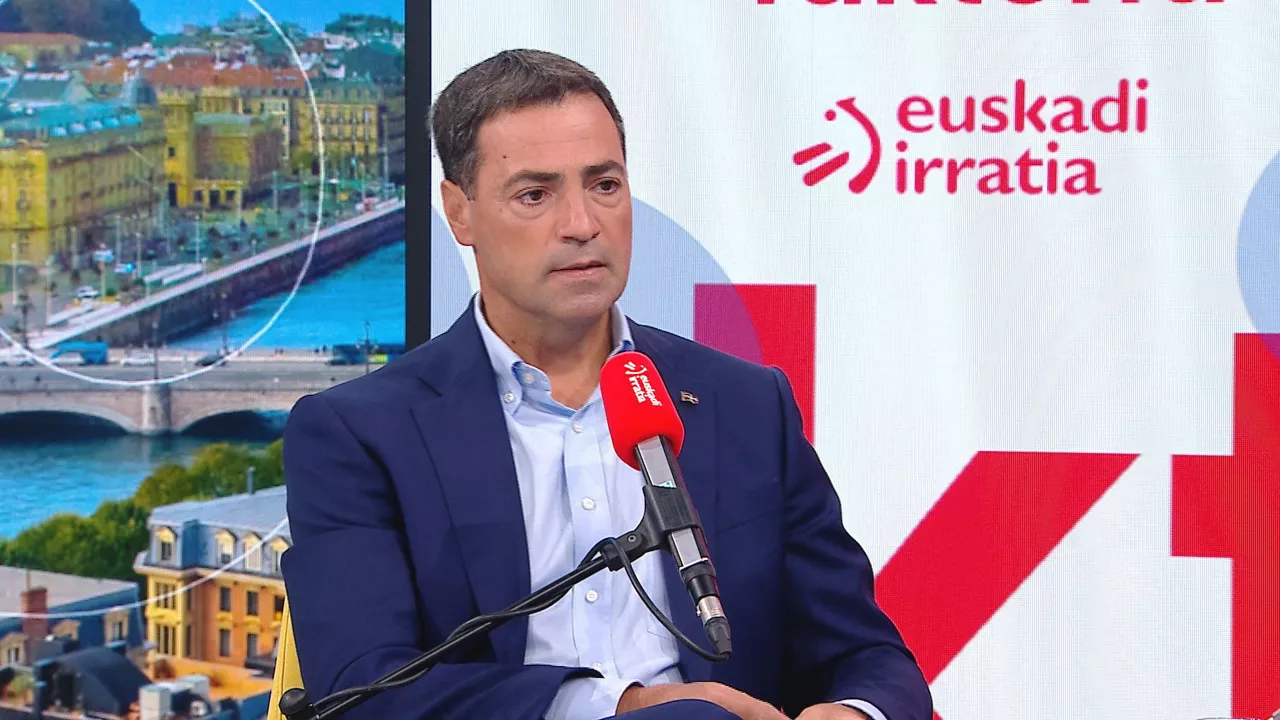
The President has assured us that there is no organized crime in the Basque Country today
Interviewed in the Faktoria programme of Euskadi Irratia, the President of the Basque Government, Imanol Pradales, has pointed out that the murders of recent years are mainly related to the deterioration of personal relations caused by drugs, addictions or gender-based violence, and has stressed that there is currently no organized crime in the Basque Country.
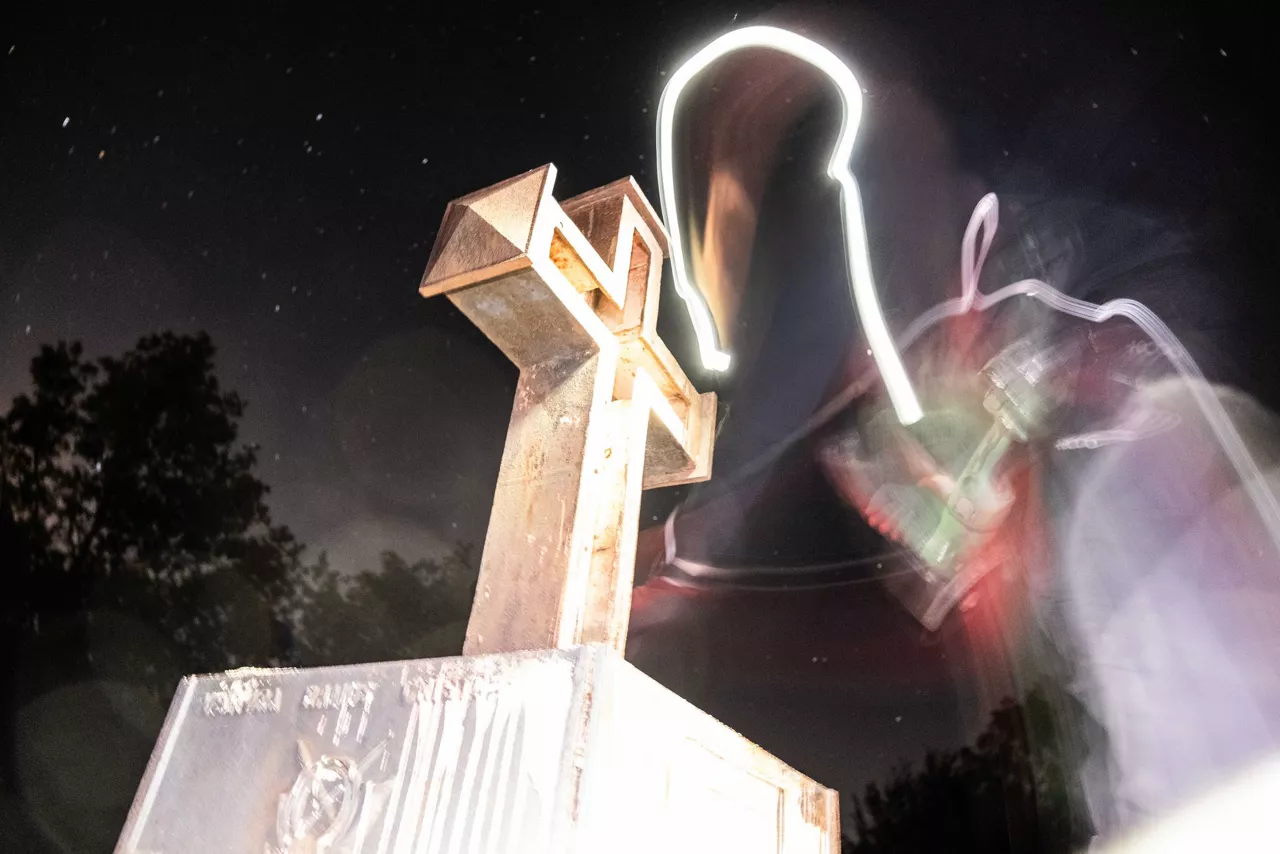
Ernai launches the Francoist cross of Mount Isuskitza
Ernai has shot down and videotaped the 1940 cross on Mount Isuskitza (Álava) in memory of the Franco requetés. The youth organization has claimed that fascism has no place in our country and has called for participation in the demonstration that will take place on 13 September in San Sebastian.
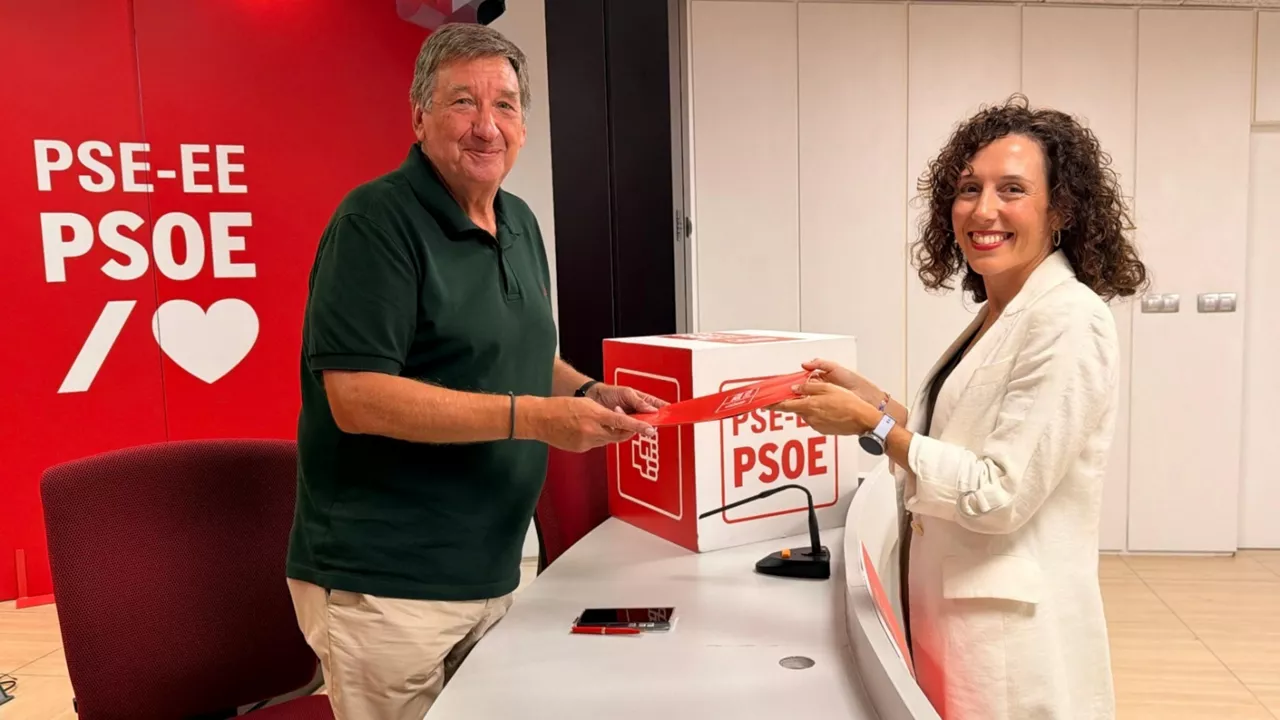
Nora Abete (PSE-EE) presents her candidacy for mayor of Bilbao
The current deputy mayor of the Bilbao City Council and spokesperson for the PSE-EE has explained that his candidacy stems from "proximity, listening and decision-making."
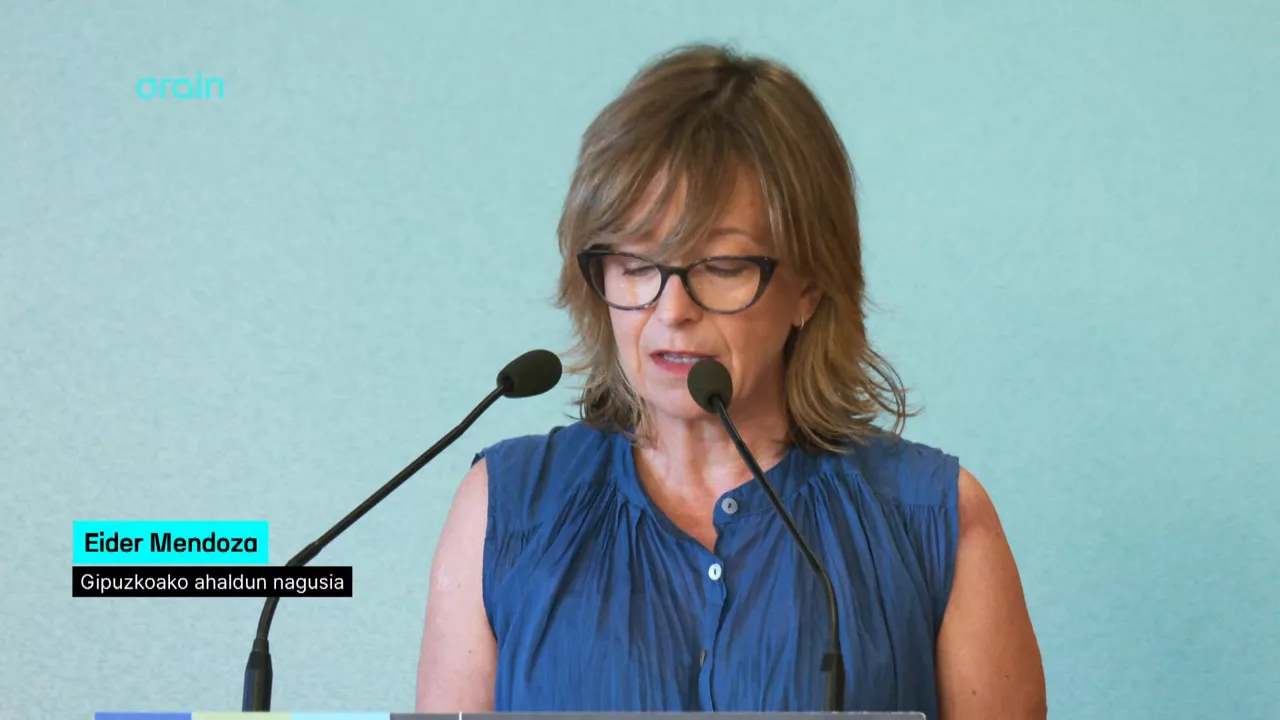
Gipuzkoa's Provincial Council will begin negotiating fiscal budgetary measures next week
Gipuzkoa MP Eider Mendoza has advanced her intention to start a round of talks with opposition groups to begin negotiations on the territory's budgets and some fiscal measures.
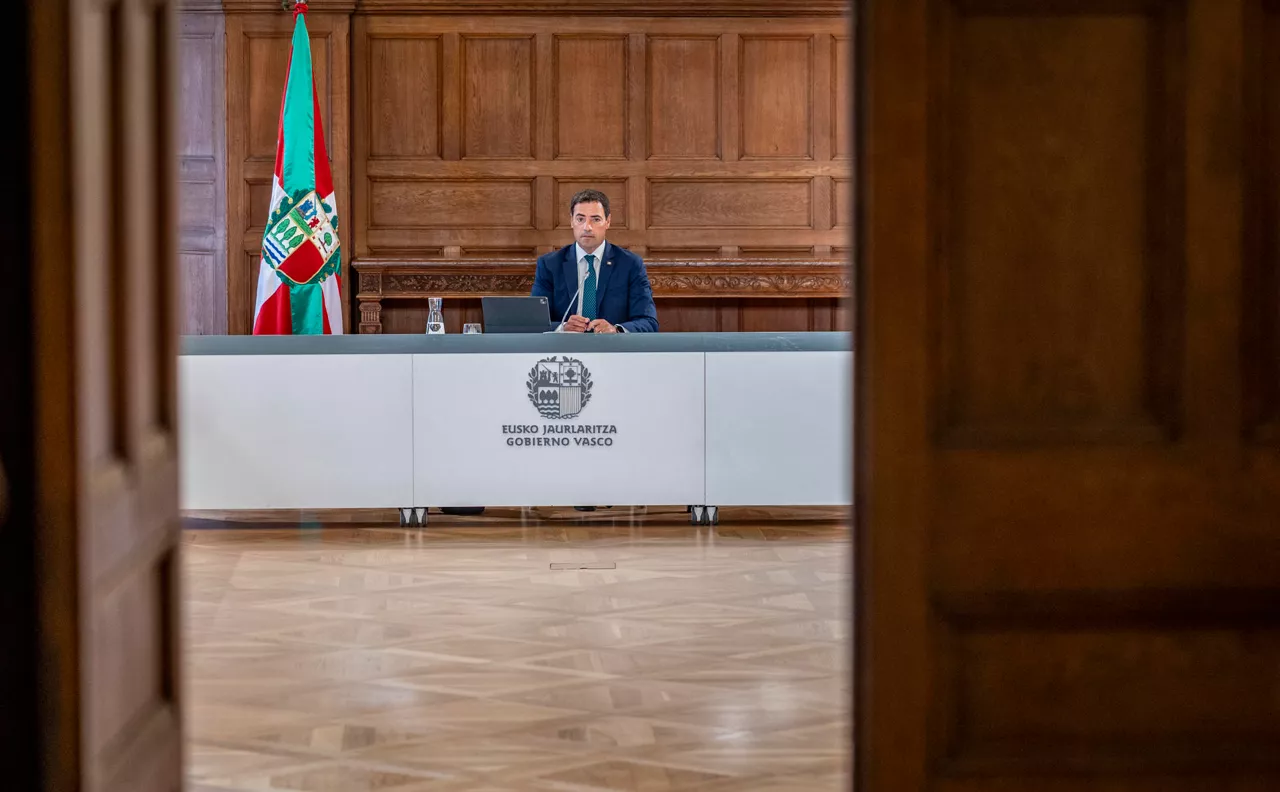
The President shall propose economic, self-government and housing agreements in his round of meetings with the parties and social partners
The meetings will take place from 8 to 15 September with the aim of strengthening dialogue and fostering partnerships in a context marked by international uncertainty and the electoral cycle of 2027.

Iker Casanova will again be EH Bildu's candidate for Bizkaia's MP
EH Bildu's Bizkaia Political Bureau believes that baracaldés is the right person to represent the project of left-wing sovereignty.
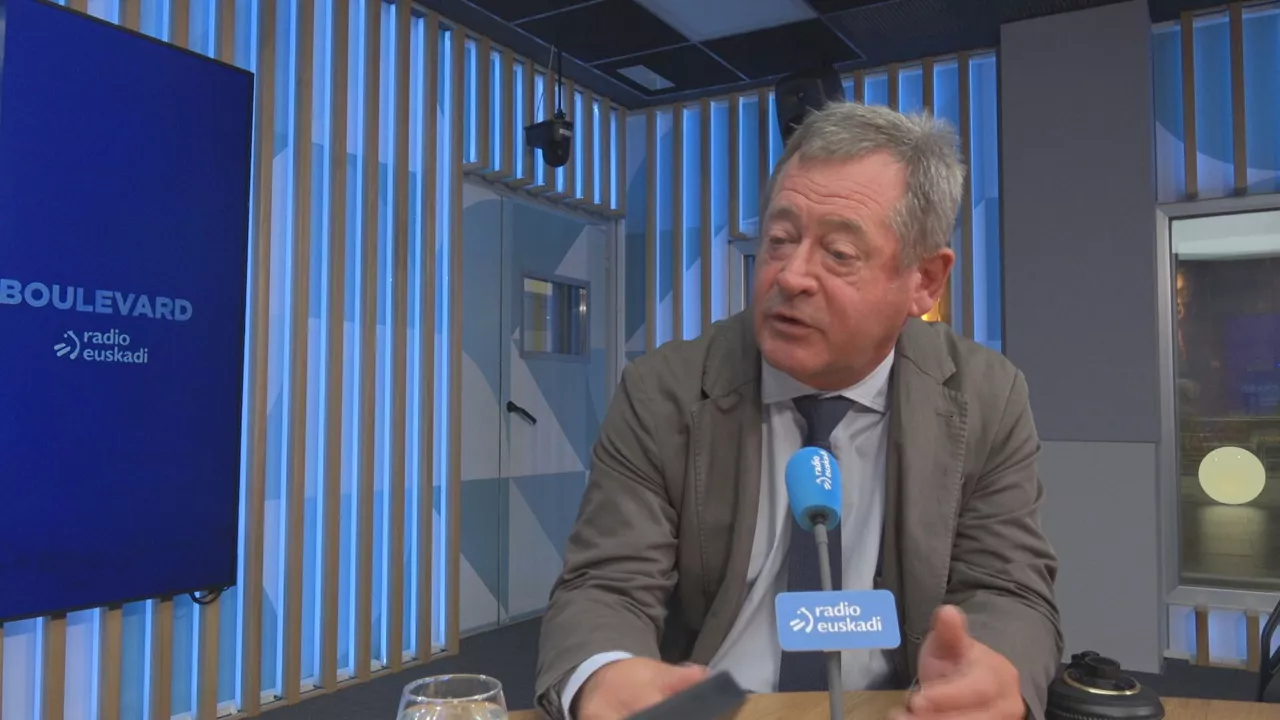
Zupiria believes that there is no political tint in the recent incidents between young people and the Ertzaintza
The Security Adviser of the Basque Government, Bingen Zupiria, has linked the incidents to young men, the consumption of alcohol and other substances and the "disinhibition" of night leisure. Asked about Ceuta, he regretted that Morocco was not asked to "assume its responsibility".